Hair loss is a common issue that affects both men and women across all age groups. With the busy life and stressful atmosphere of the contemporary age, individuals are facing hair loss at an early age. Losing between 50 and 100 hairs per day is typical, but higher amounts may indicate a potential health concern. Thankfully, advancements in medical science now provide various treatment options based on individual requirements.
Why Does Hair Fall Happen?
- Genetic Causes & Hormonal Imbalance – Hair loss due to genetics (androgenetic alopecia) and hormonal imbalances such as menopause, PCOS, and pregnancy; usually includes DHT shrinking hair follicles and diffuse thinning.
- Nutritional Deficiencies – Iron, protein, vitamin D, zinc, or biotin deficiency breaks the hair growth cycle and damages hair structure.
- Stress and Mental Health – Physical or emotional tension can cause temporary hair loss, typically seen weeks following a stressful incident.
- Medical Conditions – Diseases such as thyroid disease, alopecia areata, autoimmune diseases, scalp infections, and chronic diseases can cause hair loss.
- Medications and Therapies – Chemotherapy, antidepressants, blood pressure medications, and birth control medications can cause temporary or permanent hair loss.
- Poor Hair Care Practices – Regular heat styling, chemical processing, or braiding tightly can harm hair follicles and lead to breakage or shedding.
When Should You Seek Help
Hair loss is cause for concern when:
- You lose hair in clumps or patches
- You see a noticeable thinning or bald area.
- Your scalp is itchy, painful, or infected.
- Hair loss is unexpected and sudden.
Hair Fall Treatments
Medical Therapies for Hair Loss
- Minoxidil (Topical Solution) – FDA-approved for men and women; increases blood flow to the scalp to stimulate hair growth; over-the-counter liquid or foam.
- Finasteride (Oral Tablet for Men) – Prescription DHT blocker that slows down hair loss and stimulates regrowth, not suggested to pregnant women.
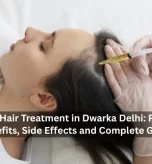
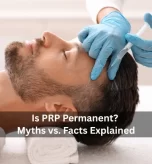
- Platelet-Rich Plasma (PRP) Therapy – Utilizes your blood to stimulate hair follicles and address pattern baldness in men and women with little downtime.
- Hair Transplant Surgery – Techniques such as FUE and FUT transplant healthy follicles to balding spots, providing a permanent solution for extensive hair loss.
- Low-Level Laser Therapy (LLLT) – Home laser caps and combs employ red light to stimulate follicles and are commonly used in combination with other treatments.
- Nutritional & Hormonal Support – Supplements such as biotin, vitamin D, iron, and omega-3 correct deficiencies; hormonal therapy can help in conditions such as PCOS or menopause.
Why Ayushman Hair Care
We know at Ayushman Skin & Cosmetology Clinic how emotionally distressing hair loss can be. Our specialists identify the real cause of the loss through advanced tests and give you customized care based on your condition. Ranging from external medications to PRP treatment and surgery, we take every precaution to ensure full treatment with the most suitable method.
Conclusion
When detected early, hair loss can often be managed effectively through treatments that slow, stop, or even reverse the process. If it is inherited, hormonal, stress-induced, or diet-related, medical science in 2025 has powerful resources to help you regain not just your hair but also your confidence.
FAQ
Q1: What is the success rate of PRP therapy?
PRP therapy has a 70–90% success rate.
Q2: Which is the best hair clinic near me?
Ayushman Skin & Cosmetology Clinic is one of the best clinics for hair treatments in Delhi.
Q3. How much does a hair transplant cost?
Hair transplant cost depends on treatment specifics, place, and personal requirements. Best to get it estimated from a clinic.
Q4: Is Minoxidil effective for hair loss?
Yes, it promotes hair regrowth and reduces hair loss when applied regularly.
Q5: Are there side effects of hair loss treatments?
They can cause minor irritation or shedding at first, but are otherwise harmless.